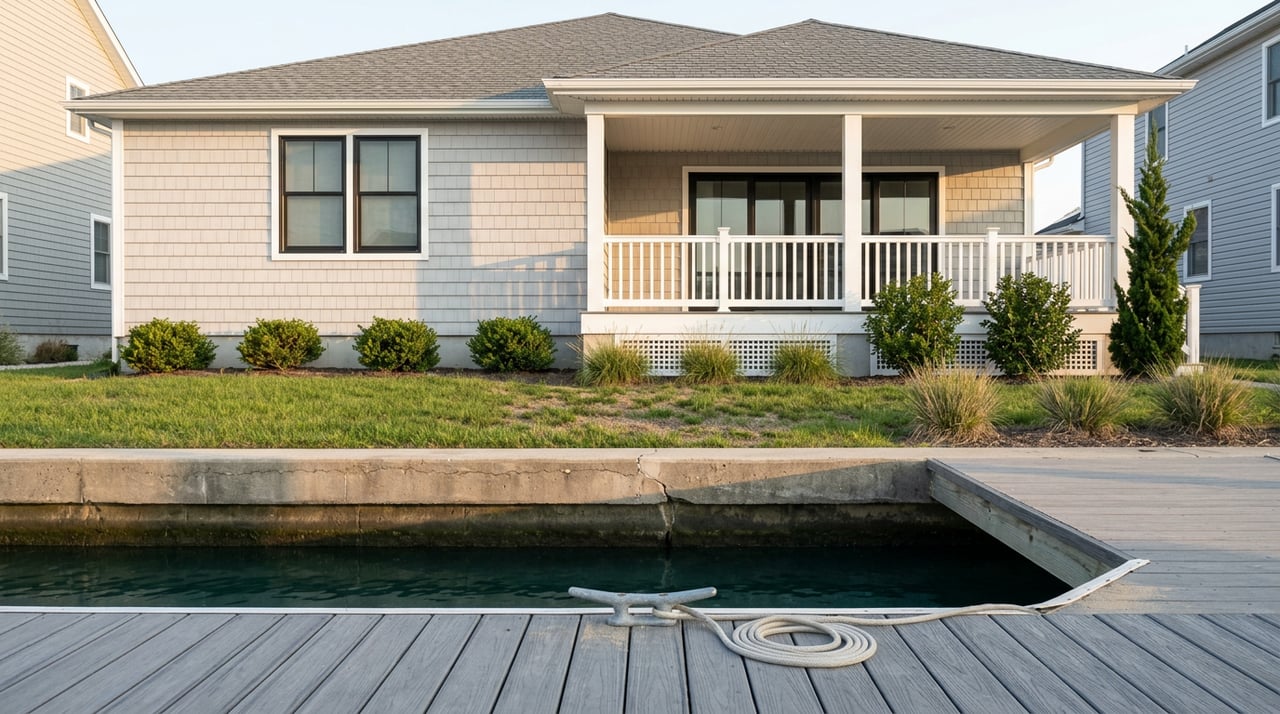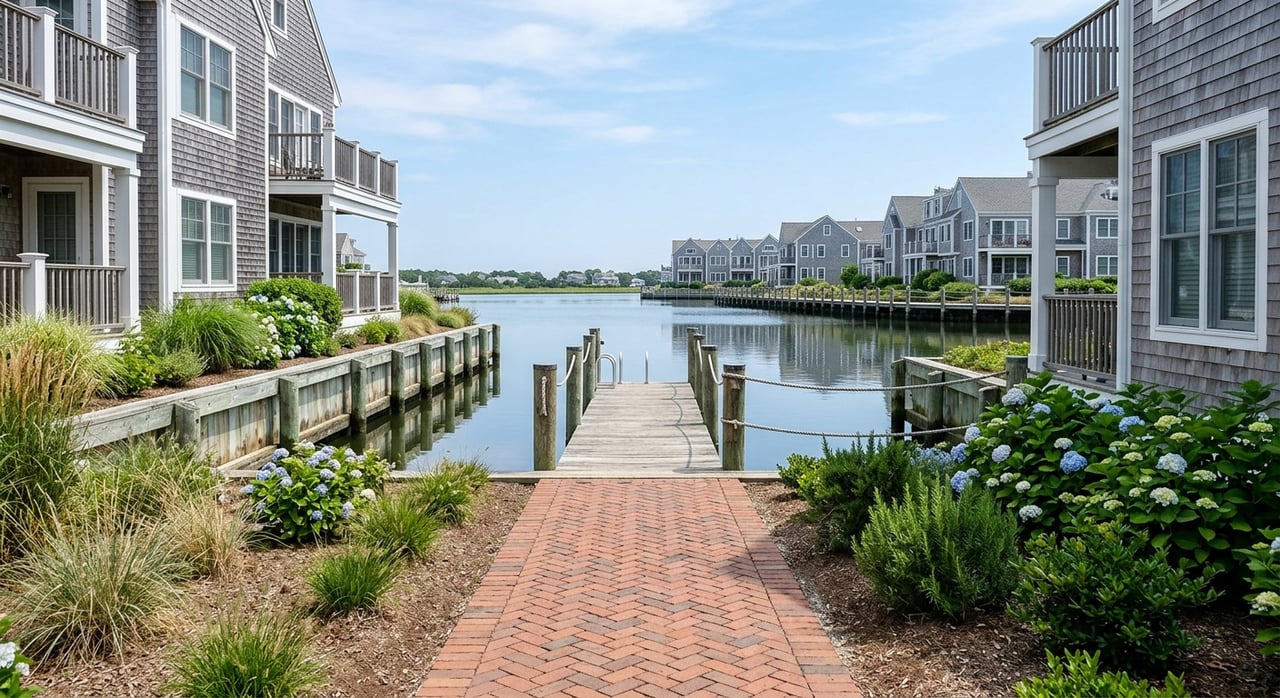
Buying in Heron Harbour can look simple at first glance. You see water views, pool access, and a north Ocean City location near the beach, and it is easy to picture yourself settling right in. But this community has a mix of condos, townhomes, sub-associations, and fee structures, so a smart purchase starts with careful questions. If you are thinking about buying here, this guide will help you focus on the details that matter most before you make an offer. Let’s dive in.
Understand what “Heron Harbour” includes
One of the first things to know is that Heron Harbour is not always one simple, single association setup. The official Heron Harbour Isle portal lists the association at 201 N Heron Drive in Ocean City and notes that owners use TownSq through the community portal to pay online, submit requests, book amenities, and contact management.
That same official community page says Heron Harbour Isle includes 50 homes, 3 community pools, and 4 bocce courts. At the same time, current listing information uses both Heron Harbour and Heron Harbour Isle, along with names like Baywatch II, Harbour Club, Seascape, and Sanctuary. Some listings also show both a subdivision name and a separate association name for the same property.
For you as a buyer, that means you should confirm the exact legal entity, association structure, and rules tied to the specific unit you want to buy. It is not safe to assume every property in Heron Harbour follows the same dues, documents, or amenities.
Know the property types
Heron Harbour offers a range of property styles, which is one reason buyers are drawn to the area. Current listings show condos with 2 bedrooms and 2 bathrooms from about 823 to 1,123 square feet, along with larger 3-bedroom waterfront townhomes around 1,459 to 1,692 square feet.
Some listings describe top-floor villas with private courtyards and decks, while others highlight large balconies, first-floor living, or bayfront end-unit positions. In practical terms, your experience can vary quite a bit depending on the building, floor plan, and where the unit sits in the community.
Why layout matters here
In a bayside community like this, orientation can shape both lifestyle and value. One unit may offer stronger water views, easier marina access, or a shorter walk to nearby shops and restaurants, while another may feel more private or offer a different parking setup.
Current listings routinely describe Heron Harbour as a north Ocean City, bayside location off 120th Street with access to the beach, shopping, parks, and restaurants. That makes it important to compare not just the home itself, but also how that specific location works for your goals.
Review amenities unit by unit
Amenities are a major part of Heron Harbour’s appeal, but you should verify which ones come with the property you are buying. The official amenity-center project describes an 8,600-square-foot facility overlooking Assawoman Bay and a canal, with an indoor pool, outdoor pool, exercise room, and two multipurpose rooms.
Current listings also reference features such as indoor and outdoor pools, a fitness center, sauna, tennis courts, a clubhouse or community center, pier and dock maintenance, and assigned or reserved parking. One current listing even mentions a boat ramp.
Because listing descriptions can vary, ask for confirmation in writing on:
- Which pools and recreation areas you can use
- Whether fitness or clubhouse access is included
- How parking works for owners and guests
- Whether marina, pier, or boat-ramp use is part of your ownership
Look closely at boat slip details
If boating is part of your plan, this is one of the most important parts of your due diligence. Many Heron Harbour properties market boating access as a key feature, but the actual rights can differ from one unit to the next.
Some current listings say the boat slip is deeded or assigned, while one notes a buyer-paid transfer fee at closing and a $120 annual boat-slip fee. The Town of Ocean City canal list referenced in current listing materials lists the Heron Harbour canal at 20-foot width and 4.1-foot average depth at MLW, with an entrance area at 30-foot width and 4.2-foot average depth at MLW.
That gives you a useful starting point, but it is not enough on its own. You should verify:
- Whether the slip conveys with the sale
- If the slip is deeded, assigned, or rented
- Whether lift rights exist
- Any size or draft limitations for your vessel
- Annual slip fees or transfer costs
- Maintenance responsibilities tied to the slip or dock
Don’t assume one HOA fee covers everything
This is a big one for buyers in Heron Harbour. Listing data show that some properties may have layered fee structures, such as a separate recreation association plus a condo or co-op fee, or even another association tied to the same property.
That means the monthly or quarterly number you first see may not tell the whole story. Before you move forward, ask for a full breakdown of:
- Condo or townhome association dues
- Recreation association dues
- Marina or slip fees
- Transfer fees due at closing
- What maintenance is covered
- Any insurance-related owner responsibilities
This is especially important if you are comparing multiple units that seem similar on price. A lower purchase price can look very different once you factor in layered dues and ownership costs.
Read the resale package carefully
In Maryland, condo buyers have meaningful document rights, and you should use them. Under Maryland condo resale law, the resale package must include the declaration, bylaws, rules and regulations, and a certificate with information such as assessments and insurance-deductible responsibility.
The seller must furnish that information no later than 15 days before closing, and you have 7 days after receiving all required information to rescind without penalty. That timeline matters because it gives you a window to review the details before you are fully locked in.
What to focus on in the documents
The resale package is not just paperwork. It is where you may spot future costs, restrictions, or risks that are easy to miss during showings.
According to DHCA guidance on common ownership communities, buyers should pay close attention to the rules, financial status, and pending claims. In practical terms, the most important items to review are:
- Current operating budget
- Reserve funding and reserve-study findings
- Special assessments
- Recent board minutes
- Pending litigation or claims
- Delinquent assessments
- Insurance and deductible responsibility
Ask about reserves and future dues
A condo fee that feels manageable today may not stay the same. Under Maryland law on reserve studies, updated reserve studies are required at least every 5 years, and boards may increase assessments to cover reserve funding even if governing documents try to limit increases.
For you, that means it is smart to look beyond the current dues amount. A well-run community still may need higher assessments over time if roofs, siding, pools, docks, or other shared elements require long-term repair planning.
Ask whether the association has had a recent reserve study, whether any major projects are being discussed, and whether dues increases or special assessments are expected. This is one of the best ways to avoid surprises after closing.
Check rental status and occupancy rules
If you are buying a second home or investment property, do not skip this step. Some current Heron Harbour listings say that buyers must honor existing rentals, which can affect your move-in timing, personal use, or income plans.
You should confirm:
- Whether there are current leases or bookings in place
- Whether those bookings transfer with the sale
- What occupancy or leasing rules apply
- Whether there are separate rental restrictions by association
This matters whether you plan to use the property yourself, rent it seasonally, or do a mix of both. Clear answers upfront can help you avoid scheduling headaches later.
Understand approval rules before renovating
If you are already thinking about updates, ask about approvals before you close. The official Heron Harbour Isle portal notes that owners use TownSq for architecture requests and community management tasks, which suggests there may be formal approval procedures for certain changes.
That can be especially important if you want to replace windows or sliders, install HVAC equipment, upgrade a fireplace, or make other exterior or systems changes. Before you buy, ask what approvals are required and how long those approvals usually take.
Questions to ask before you buy
To keep your search focused, bring these questions with you when you tour or review disclosures:
- Which legal entity governs this unit?
- Are there two sets of dues or rules?
- What exactly do the current dues cover?
- Are any special assessments or reserve-funding increases expected?
- Does the boat slip convey, and what type of right is it?
- Are there transfer fees, annual slip fees, or lift restrictions?
- Are there existing rentals or bookings that must be honored?
- How is parking handled for owners and guests?
- What approvals are needed for future improvements?
- Are there recent board decisions, reserve-study findings, or insurance changes I should review?
Why local guidance helps
Heron Harbour offers a lot to like, especially if you want a north Ocean City bayside location with strong amenity appeal and possible boating access. But it is also a community where the details can vary significantly from one unit to the next.
That is why local, property-specific guidance matters. When you know how to compare association structures, slip rights, fees, and resale documents, you can buy with more confidence and fewer surprises.
If you are considering a purchase in Heron Harbour, Timothy Dozier can help you sort through the unit-specific details, compare your options, and move forward with a clear plan.
FAQs
What should you verify before buying in Heron Harbour?
- You should verify the exact association, dues, rules, amenity access, parking setup, and whether any transfer fees or special assessments apply to the specific unit.
What types of homes are available in Heron Harbour, Ocean City?
- Current listings show a mix of condos and waterfront townhomes, including 2-bedroom condos and larger 3-bedroom townhomes with different layouts, views, and ownership structures.
What amenities are available in Heron Harbour?
- Official and listing sources reference community pools, bocce courts, an amenity center, indoor and outdoor pools, an exercise room, and other features that may vary by unit or association.
What should boat owners ask when buying in Heron Harbour?
- You should ask whether a slip is deeded, assigned, or rented, whether it conveys with the sale, what fees apply, and whether canal depth and lift or draft limits work for your vessel.
What does the Maryland condo resale package include for Heron Harbour buyers?
- Maryland law says the resale package must include documents such as the declaration, bylaws, rules and regulations, and a certificate covering assessments and certain insurance-related responsibilities.
Can dues increase after you buy a condo in Heron Harbour?
- Yes. Maryland law allows boards to raise assessments for reserve funding, so buyers should review reserve studies, budgets, and any planned capital work before closing.
Should second-home and investor buyers check rental status in Heron Harbour?
- Yes. Some listings say buyers may need to honor existing rentals, so you should confirm lease status, occupancy rules, and any rental restrictions before you buy.