If you love the water, Ocean City makes it easy to picture sunrise coffee on the ocean or sunset cruises on the bay. The challenge is choosing the right waterfront spot and running the right checks before you buy. In a market with about 8 million annual visitors and a deep mix of condos and homes, smart evaluation can protect your budget and future plans. This guide shows you how to compare oceanfront, bayfront, and canal properties, understand flood and permit issues, and set up a clean due‑diligence process. Let’s dive in.
Oceanfront vs. bayfront vs. canal
Oceanfront: beach and boardwalk living
- Best for easy beach access and walkable fun along the boardwalk.
- Higher exposure to surf, wind, and salt. Expect strict elevation and dune rules.
- Strong summer rental demand and seasonal turnover. Verify building management and policies.
- Typical base flood elevations on the oceanfront run about 10 to 14 feet, which affect design and insurance needs. The town outlines these standards on its Flood Hazard Information page.
Bayfront: views, boating, and calmer waters
- Broad views of Sinepuxent or Isle of Wight Bay, plus access to fishing and paddling.
- Lower wave energy than the ocean but consider dock, bulkhead, or living shoreline upkeep.
- Typical BFEs on the bayside are about 4 to 6 feet. Elevation and flood insurance still matter.
- Check for USACE dredging or navigation updates that may influence channels or access. See current projects on the U.S. Army Corps Ocean City page.
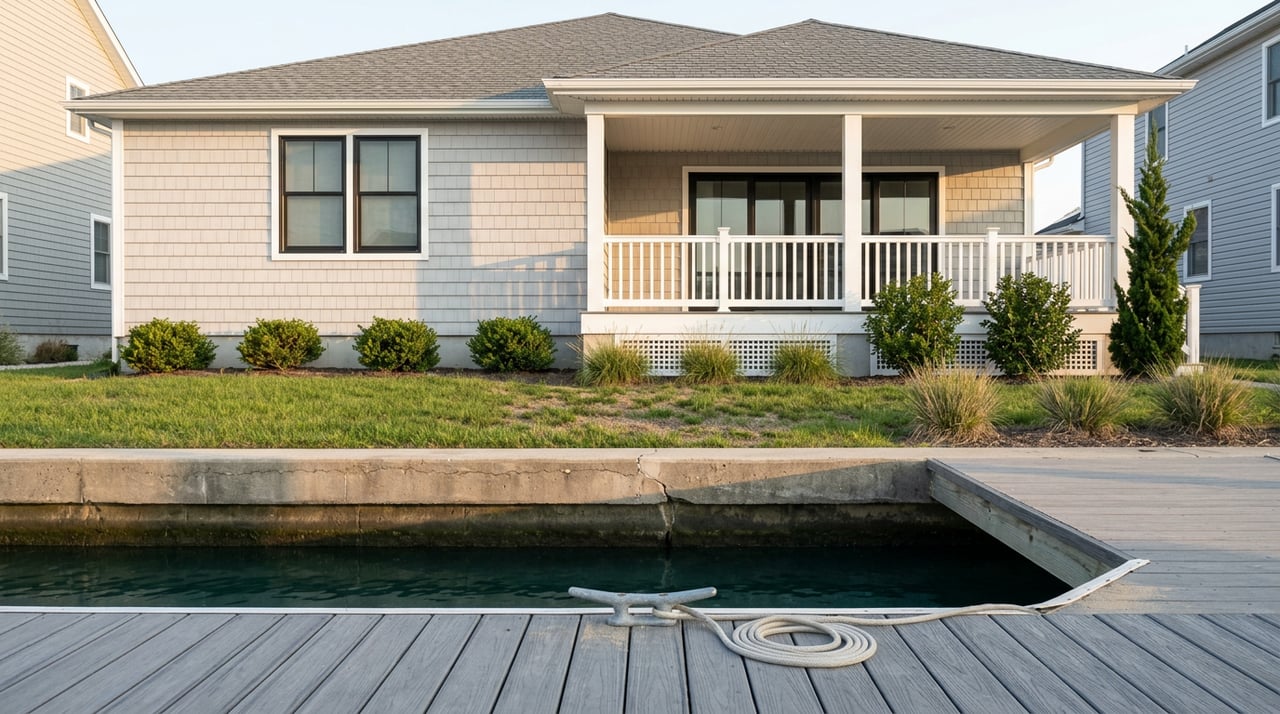
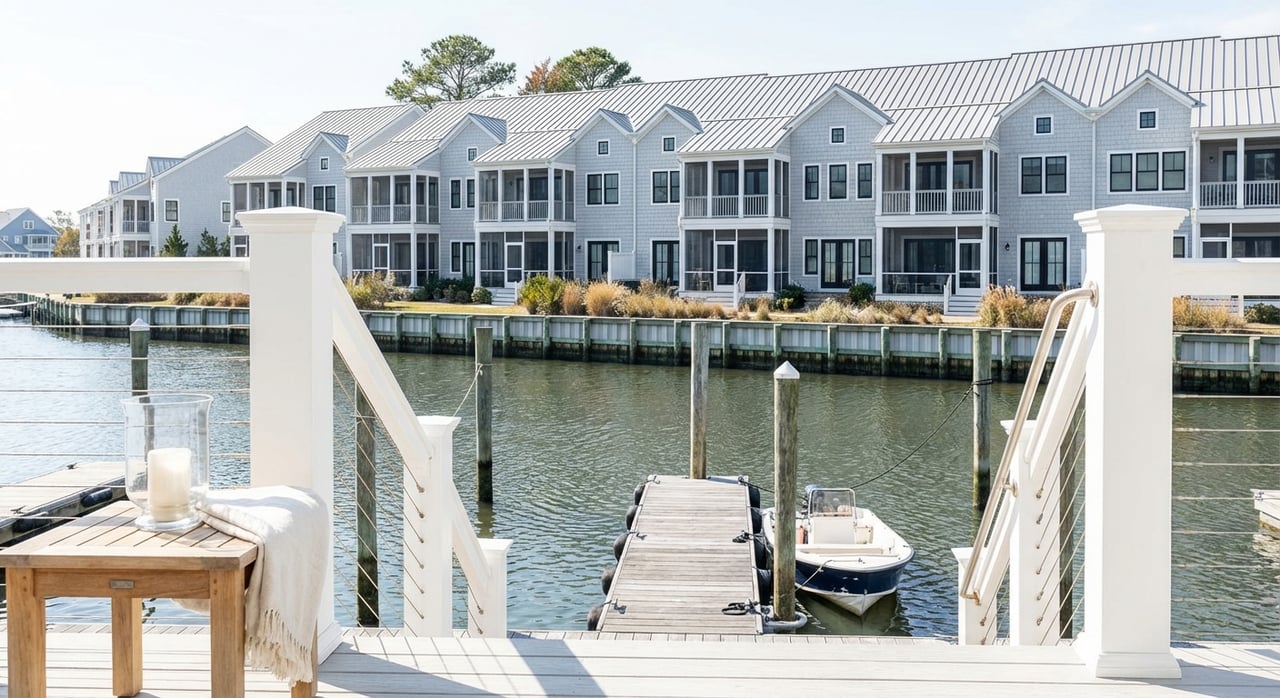
Canal-front: slips and close-in access
- Private boat slips and shorter rides to open water are common benefits.
- Maintenance and ownership of bulkheads, docks, and shared channels can vary by HOA.
- Confirm slip rights, transfer rules, and any dredging responsibilities before you bid.
For quick local context on Ocean City’s size and seasonality, review the town’s visitor overview on ococean.com.
Start with flood risk and elevation
Flood is the top technical item to check for any Ocean City waterfront. The town notes that all property has some level of flood risk. Your first step is to confirm the property’s FEMA panel, flood zone, and base flood elevation, then compare that to the building’s lowest floor.
- Look up the property on FEMA’s Map Service Center and confirm the panel and zone.
- Ask the seller for any elevation certificate or recent survey. The Town of Ocean City may also have copies in its flood records. Start with the Flood Hazard Information page.
- Get flood quotes early. Under FEMA’s Risk Rating 2.0, pricing is property specific based on factors like distance to water, foundation, and replacement cost. Two neighbors can pay very different premiums. Learn how pricing works from FEMA’s Risk Rating 2.0 overview hosted here: Equity in Action.
For long-term planning, review sea-level rise data using the Maryland DNR Coastal Flood Explorer. It helps you visualize potential exposure over time.
Storm protection and beach projects
Ocean City benefits from ongoing federal work on inlet navigation and beach nourishment. These efforts can affect beach width near oceanfront buildings and navigation depth near harbor entrances. To understand recent or planned activity, check the Baltimore District’s Ocean City portal for updates on nourishment and dredging under USACE projects.
What this means for you:
- Oceanfront buyers should ask when nearby beaches were last nourished and how that relates to dune maintenance and building rules.
- Buyers near the inlet or harbor areas should ask about recent dredging schedules and any effects on access.
Docks, bulkheads, and living shorelines
On the bayside and canals, marine structures drive a lot of cost. Replacing a bulkhead or extending a pier may need state and federal approvals. In Maryland, the Department of the Environment handles tidal wetlands licensing for piers, bulkheads, and dredging, with review by the Board of Public Works for larger items, and federal review for navigable waters.
- Before you plan changes, review permitting context with MDE’s Wetlands and Waterways program, starting with this example project page that explains process and public notices at MDE Wetlands & Waterways.
- Ask the seller for past permits, dates of construction or repair, and any mitigation requirements. This can flag future costs.
- Consider whether a living shoreline is an option for lower-impact protection. Permit paths differ from hard bulkheads, so get professional guidance early.
Condos, HOAs, and who pays for what
If you are buying in a condo or HOA community, review who owns and maintains the waterfront infrastructure. For condos, common elements like exterior walls, roofs, bulkheads, and community docks are often association responsibilities. Still, every set of bylaws is different.
- Request the full association packet: declaration, bylaws, budget, reserve study, insurance, and any recent special assessments.
- Ask how flood and wind coverage are structured. For condos, confirm what the master policy covers vs. owner interiors.
- If responsibilities are unclear, consult counsel who knows Maryland’s condo and HOA framework. This Maryland case overview helps explain the statutory context: Goshen Run Homeowners’ Assn. v. Cisneros.
Short-term rentals and local licensing
Ocean City requires an annual rental license and a noise control permit for any property rented for any length of time. The town has updated rules and has placed limits or moratoria in some zones. If rental income is part of your plan, check the property’s zoning, license history, and whether an existing license transfers.
- Start with the Town’s Division of Rental Housing for current rules, applications, and inspections.
- Verify license transferability and any minimum stay or moratorium details before you write an offer.
Utilities and sewer capacity
Service type and capacity can affect both value and renovation plans. Ocean City and Worcester County reached an agreement in 2025 related to wastewater capacity for some nearby districts. Confirm whether the property is on municipal sewer or septic and whether there are known capacity constraints. Read recent coverage here: Worcester County and Ocean City wastewater agreement.
Your 3-inspection plan
Before you remove contingencies, plan three separate reviews:
Marine and structural inspection. Hire a marine contractor or engineer to evaluate pilings, bulkheads, docks, and seawalls. Ask for a written estimate of remaining life and any immediate repairs.
Standard home or building inspection with flood awareness. Request extra attention to moisture history, venting, and any flood-mitigation upgrades that may lower insurance costs.
Legal and association document review. If buying in a condo or HOA, have counsel or a knowledgeable reviewer confirm waterfront responsibilities, reserves, insurance, and rental restrictions.
Printable Waterfront Due-Diligence Checklist
Use this list to stay organized as you compare properties.
- Flood zone and BFE. Verify on FEMA’s Map Service Center and request the Town’s flood records and any elevation certificate from Ocean City’s Flood Hazard Information page.
- Flood insurance quotes. Get NFIP and private quotes using the exact address and building details. See FEMA’s Risk Rating 2.0 overview at Equity in Action.
- Lender requirements. Confirm your lender’s flood coverage rules and any mitigation needs in writing.
- Permits and inspections. Collect elevation certificates, building permits, and any piling or foundation reports from Town records.
- Bulkhead and seawall. Identify who owns it, last rebuild date, permits, and expected remaining life. Ask for marine inspection notes.
- Docks and slips. Confirm deeded rights, assignment rules, HOA fees, and any recorded tidal-wetlands licenses.
- HOA/condo documents. Review bylaws, financials, reserve study, insurance certificates, meeting minutes, and special assessment history.
- Rental licensing and zoning. Contact the Town’s Division of Rental Housing to confirm eligibility and whether any existing license transfers.
- Environmental constraints. Ask about submerged aquatic vegetation and pier-length limits. For permitting context, review MDE Wetlands & Waterways.
- Utilities. Confirm municipal connections and any capacity updates. See recent reporting on the wastewater agreement.
- Title review. Search for riparian rights, access easements, recorded coastal permits, and any liens.
- Market comps and rentals. Pull current MLS sales and ask a local property manager for occupancy and ADR history for the specific building or street.
- Warranties and repairs. Request documentation of any post-storm work on bulkheads, piers, or foundations.
- Contingencies. Keep contingencies for marine inspection, title and riparian rights review, and ability to obtain acceptable flood insurance.
Key local resources
- Town of Ocean City — Flood Hazard Information and elevation certificates: Planning & Community Development
- Town of Ocean City — Rental licenses and inspections: Division of Rental Housing
- FEMA — Official flood maps: Map Service Center
- USACE — Ocean City nourishment and inlet projects: Baltimore District Ocean City
- Maryland DNR — Sea-level rise visualizer: Coastal Flood Explorer
- Maryland MDE — Tidal wetlands licensing: Wetlands & Waterways
Buying on the water in Ocean City should feel exciting, not stressful. With clear checks on flood, permits, and responsibilities, you can compare properties with confidence and enjoy the lifestyle you want. If you would like a local guide to help you evaluate oceanfront, bayfront, and canal homes, connect with Timothy Dozier for hands-on advice tailored to your plans.
FAQs
What do BFEs mean for Ocean City waterfront buyers?
- Base flood elevations set the reference height for floodplain construction and insurance. Oceanfront BFEs are typically about 10 to 14 feet and bayside BFEs about 4 to 6 feet. Verify the exact BFE for your parcel on FEMA’s Map Service Center and with the Town’s Flood Hazard Information page.
How does FEMA’s Risk Rating 2.0 affect my flood premium?
- Pricing is property specific based on factors like distance to water, foundation type, and replacement cost. Two similar homes can have very different premiums. Review FEMA’s overview at Equity in Action and get quotes early.
Who permits docks, bulkheads, or dredging in Ocean City?
- Maryland MDE handles tidal wetlands licensing and larger projects may be reviewed by the Maryland Board of Public Works. Federal review applies for navigable waters. Start with MDE Wetlands & Waterways and ask the seller for past permits and plans.
Are short-term rentals allowed in Ocean City waterfront homes?
- Yes, but you need an annual rental license and a noise control permit. Some zones have added limits or moratoria, so confirm eligibility and whether any existing license transfers with the Town’s Division of Rental Housing.
Do oceanfront beach projects affect property value?
- USACE nourishment and inlet work can influence beach width and navigation. Ask for recent project timelines for your area and review updates on the USACE Ocean City page.