Buying waterfront in Ocean City sounds simple until you realize “waterfront” can mean very different things. You might picture a quiet bay sunset, a private canal slip, or a condo with direct beach access and steady boardwalk energy. If you are trying to decide which setting fits your goals, this guide will help you compare the main options, understand what to check before you buy, and avoid common surprises. Let’s dive in.
Ocean City Waterfront Basics
Ocean City is a 10-mile-long barrier island with the Atlantic Ocean on one side and the Isle of Wight and Assawoman coastal bays on the other. That geography creates three main waterfront experiences buyers usually compare: bayfront, canal-front, and oceanfront.
Those categories matter because each one feels different in daily life. Bay and canal properties tend to connect more closely to boating and bayside activity, while oceanfront homes and condos center more on beach access, surf, and the public shoreline experience.
The town’s map and planning materials also reflect how varied waterfront living is here. Street names tied to bays, canals, and beaches are a good reminder that Ocean City waterfront is not one single market.
Compare the Main Waterfront Options
Bayfront Homes
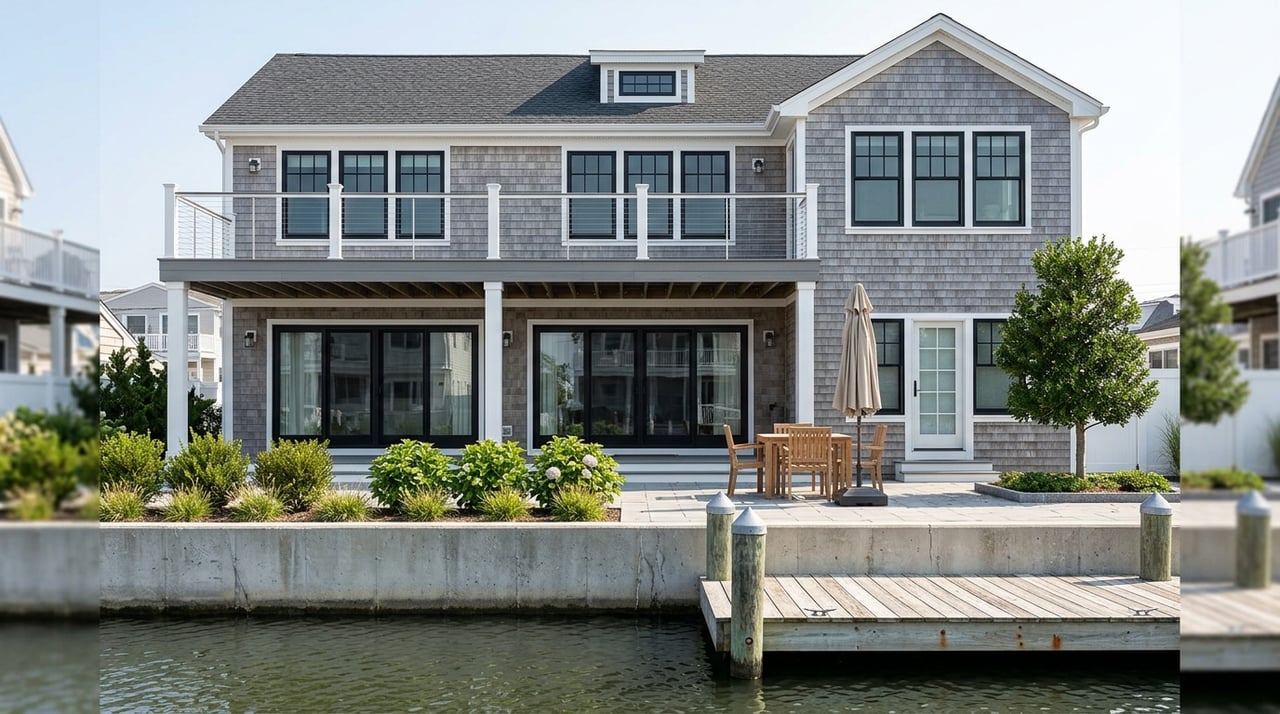
Bayfront homes sit along the inland-water side of the island. For many buyers, they offer the strongest mix of water views, boating access, and a calmer setting than the open ocean side.
If you are drawn to sunset views and a more boat-oriented lifestyle, bayfront may be the best fit. Ocean City’s local boating network and marina activity are built heavily around the bays, which makes this category especially appealing for second-home buyers and boat owners.
Before you fall in love with a bayfront property, confirm exactly how water access works. A home may include a deeded slip, a shared slip, or no dock rights at all, and that distinction can affect both convenience and long-term responsibility.
Canal-Front Homes
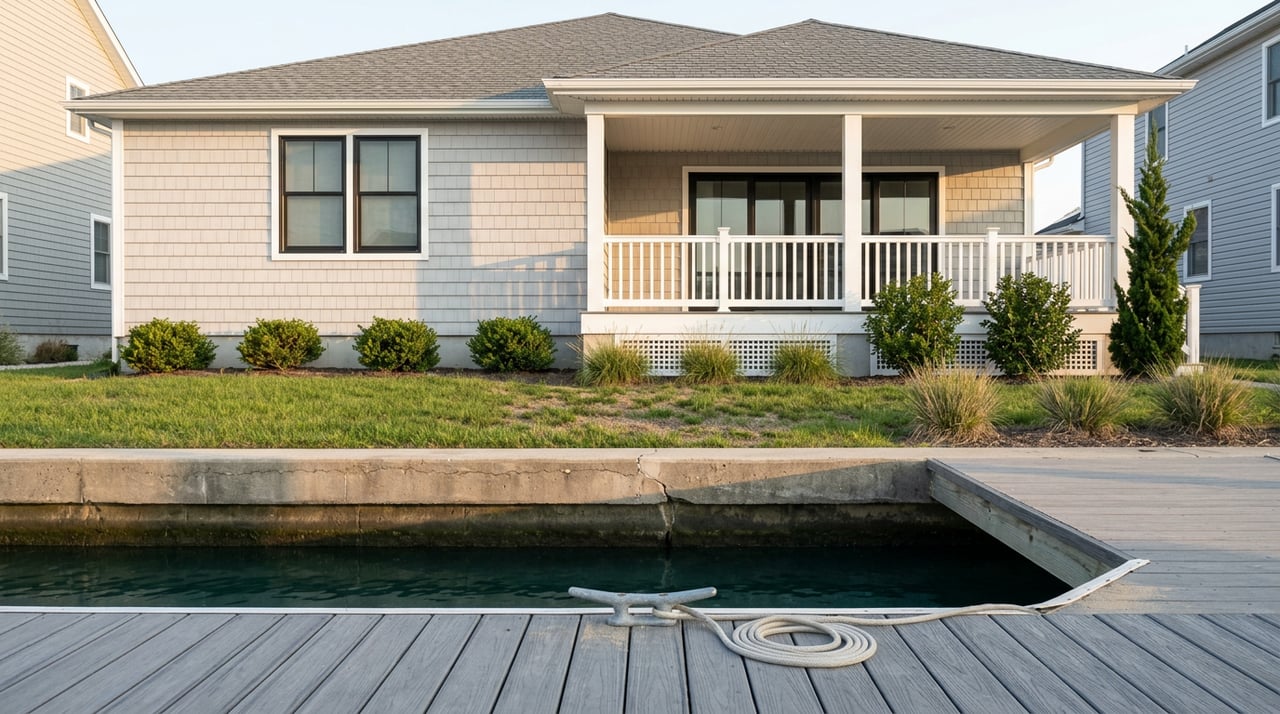
Canal-front homes are often the most sheltered waterfront option. They can be a smart choice if you want private water access without the more open exposure of a bayfront location.
That said, canal-front buying requires extra homework. Ocean City maintains a canal-dredging program because some canals have filled in over time and are no longer fully navigable, so canal depth, bulkhead condition, and slip usability should all be part of your review.
Not every canal-front slip works the same way for every boat. The town notes that it dredges canal channels, not private slips, although owners can sometimes pay to join a project, so you will want to look closely at actual access instead of assuming a dock automatically means easy boating.
Oceanfront Condos
Oceanfront condos are the most beach-centered option in Ocean City. If your priority is quick sand access, surf views, and a property that feels connected to the public beach experience, this category often rises to the top.
Ocean City’s boardwalk runs 2.9 miles from the Inlet to 27th Street, and the beach is open to the public from 5 AM to midnight. During the summer season, beach patrol is on duty daily from Memorial Day weekend through the third Sunday after Labor Day.
For many buyers, oceanfront condos can feel simpler than detached waterfront homes because the association typically handles some shared exterior responsibilities. Still, you should look carefully at flood exposure, building maintenance, and how the condo association manages shared costs and responsibilities.
Match the Property to Your Lifestyle
Choosing the right Ocean City waterfront home starts with how you plan to use it. A property that looks ideal online may not match your day-to-day goals once you think through boating, beach access, upkeep, and seasonal activity.
If you are buying a second home, ask yourself what matters most on your typical visit. Do you want to spend the day at the beach, walk to the boardwalk, keep a boat nearby, or enjoy a more tucked-away waterfront setting?
Here is a simple way to think about it:
- Choose bayfront if you want broader bay views and stronger boating appeal.
- Choose canal-front if you want protected water access and a more sheltered setting.
- Choose oceanfront if you want direct beach lifestyle benefits and easier access to surf and boardwalk activity.
This kind of side-by-side thinking is especially helpful for out-of-area buyers. Tim’s local, hands-on knowledge can be valuable here because small location differences in Ocean City often change the ownership experience in a big way.
Check Boat Access Before You Buy
One of the biggest waterfront mistakes buyers make is assuming that “on the water” automatically means easy boat use. In Ocean City, the better question is where the boat actually lives and how that access is structured.
You will want to confirm whether the property has:
- A deeded slip
- A shared dock or shared slip
- Access through a nearby marina
- No private dock, with boating handled through public ramps
This matters because maintenance and responsibility can vary. Ocean City’s Port Warden guidance says the bulkhead owner is responsible for individually deeded slips, while shared common-area bulkheads are typically handled by the HOA.
Slip dimensions also matter. The town notes that the maximum reach into any slip is 35 feet in the canal-dredging context, which is a practical reason to compare your boat’s size and draft against actual slip layout before moving forward.
Know the Public Ramp and Trailer Rules
If you do not need a private dock, Ocean City still offers public boating access. That can open up more property choices, especially if you want a condo, a canal-front home without ideal slip access, or a bay-area property where off-site boat storage makes more sense.
The 64th Street boat ramp is open 24/7 and free for launching and retrieving. The town says the ramp channel has been dredged to provide about three feet of draw at low tide.
Caribbean Drive is another public ramp option, but it requires a pass card from May 1 through October 31 and does not offer on-site parking. For trailers, Ocean City says they may be parked at the 100th Street Municipal Lot for a fee, but not on public streets or parking lots from May 1 through October 31.
Those rules may sound like small details, but they can shape how convenient your boating routine feels. If waterfront ownership is part of a second-home or investment plan, convenience often matters just as much as view.
Review Bulkheads, Dredging, and Shoreline Upkeep
Waterfront maintenance in Ocean City is not limited to the house itself. Shoreline condition can be a major part of ownership, especially for bayfront and canal-front properties.
The town makes clear that property owners are responsible for shoreline condition. It also notes that bulkheads must be stable before canal dredging can proceed, which means deferred maintenance can create real practical issues for owners.
When you evaluate a property, pay attention to:
- Bulkhead age and visible condition
- Whether the shoreline appears stable
- Whether the canal is currently navigable
- Whether the slip itself may need private dredging work
- Whether shared maintenance falls on an HOA or directly on owners
These are not small items. They can affect both usability and future costs, which is why a waterfront purchase should always be viewed through both a lifestyle lens and a maintenance lens.
Understand Flood Risk Early
Flood risk is one of the most important parts of buying any waterfront property in Ocean City. Because the town sits on a developed barrier island, local planning materials note vulnerability to elevated water levels from flooding, storm surge, and high tides.
Ocean City advises residents and visitors to know their flood zone and division. The town also notes that ocean-front base flood elevations are generally higher than bayside elevations, which is an important distinction when you compare one property type to another.
For buyers, the most practical move is to verify the exact flood zone for the specific address early in the process. You will also want to understand the insurance implications before making an offer, especially if you are comparing multiple waterfront locations with different exposure profiles.
Learn the Permit Process for Waterfront Changes
Some buyers plan to improve the property soon after closing. If that includes adding or replacing a dock, boat lift, floating dock, pier, or bulkhead, it is important to understand that local approvals are part of the process.
Ocean City says the Board of Port Wardens governs new construction over or next to water. The town also states that a licensed Maryland marine contractor is required for marine construction.
That means future improvement potential should never be treated as automatic. If a planned upgrade is central to your purchase decision, it is smart to confirm what is allowed and what the process may involve before you commit.
What Smart Buyers Focus On First
The best Ocean City waterfront purchase is not always the one with the biggest view. It is the one that matches how you want to live, what level of upkeep you can handle, and how you plan to use the property over time.
A smart buying checklist usually starts with a few core questions:
- Do you want beach access, boat access, or both?
- Will you own a boat now or later?
- Are you comfortable with shoreline and bulkhead maintenance?
- Does a condo association fit your goals better than a detached home?
- Have you reviewed flood zone details for the exact address?
- If there is a slip, is it deeded, shared, or just nearby?
For second-home buyers and investors, clarity on these points can save time and prevent expensive surprises. Ocean City offers several distinct waterfront lifestyles, and the right fit usually becomes clearer once you compare the practical side, not just the photos.
If you want help narrowing down bayfront homes, canal-front properties, or oceanfront condos in Ocean City, local guidance can make the process much easier. Timothy Dozier brings practical waterfront knowledge, second-home insight, and hands-on local experience to help you buy with confidence.
FAQs
What types of waterfront homes are most common in Ocean City?
- Buyers usually compare bayfront homes, canal-front homes, and oceanfront condos because each offers a different mix of boating access, beach access, and maintenance responsibility.
What should buyers check about boat slips in Ocean City waterfront homes?
- You should confirm whether the slip is deeded, shared, or not included, and you should also verify usable depth, slip layout, and who is responsible for the bulkhead.
What should buyers know about Ocean City canal-front properties?
- Canal-front homes can offer sheltered water access, but buyers should check navigability, dredging history, bulkhead stability, and whether the private slip itself may require additional work.
What should buyers know about Ocean City oceanfront condos?
- Oceanfront condos are usually the most beach-focused option, so buyers should pay close attention to beach access, seasonal activity, flood exposure, and how the association handles shared maintenance.
What public boat ramps are available for Ocean City buyers?
- Ocean City offers the 64th Street boat ramp, which is open 24/7 and free to use, plus the Caribbean Drive ramp, which requires a pass card from May 1 through October 31 and does not have on-site parking.
What flood-risk questions should buyers ask about Ocean City waterfront homes?
- Buyers should verify the property’s exact flood zone, ask about insurance implications, and understand that ocean-front base flood elevations are generally higher than bayside elevations according to the town.
What permits matter for Ocean City waterfront property improvements?
- If you want to add or replace a dock, lift, floating dock, pier, or bulkhead, you should review Board of Port Wardens requirements and confirm that a licensed Maryland marine contractor will be needed for marine construction.